Many property managers assume pavement problems begin when cracks, potholes, or major surface failures become visible. In reality, asphalt often shows signs of aging long before serious damage appears. This is one reason asphalt sealcoating plays an important role in long-term pavement maintenance. The challenge is that these early warning signs can be easy to overlook, especially on busy commercial properties where pavement is simply expected to perform day after day.
For commercial properties throughout Utah, recognizing these changes early can help protect pavement investments and support more effective maintenance planning. Understanding what aging asphalt looks like before it starts falling apart is often the first step toward avoiding larger repair costs later.
Pavement deterioration is usually a gradual process. Before cracks begin forming, asphalt often experiences subtle changes in appearance and performance that indicate it is losing some of its protective qualities.
Common early warning signs include:
These changes may seem cosmetic at first, but they often indicate that the asphalt surface is becoming more vulnerable to environmental exposure and daily traffic.
Utah's climate can be particularly demanding on commercial pavement. Intense summer sunlight, heat, temperature fluctuations, and moisture exposure all contribute to the natural aging process.
As asphalt is exposed to ultraviolet rays, oxidation begins to occur. This process gradually removes the oils that help asphalt remain flexible. As flexibility decreases, the pavement becomes more susceptible to cracking and surface deterioration.
The effects are not always immediately noticeable. Many commercial properties continue functioning normally while the pavement slowly loses its ability to withstand future stress.
One of the most overlooked causes of asphalt deterioration is oxidation. While potholes and cracks attract attention, oxidation often works quietly in the background for years before visible damage develops.
Property managers may notice:
These changes indicate that the pavement surface is gradually losing protection. Without preventative maintenance, oxidation can accelerate the progression toward cracking and more extensive repairs.
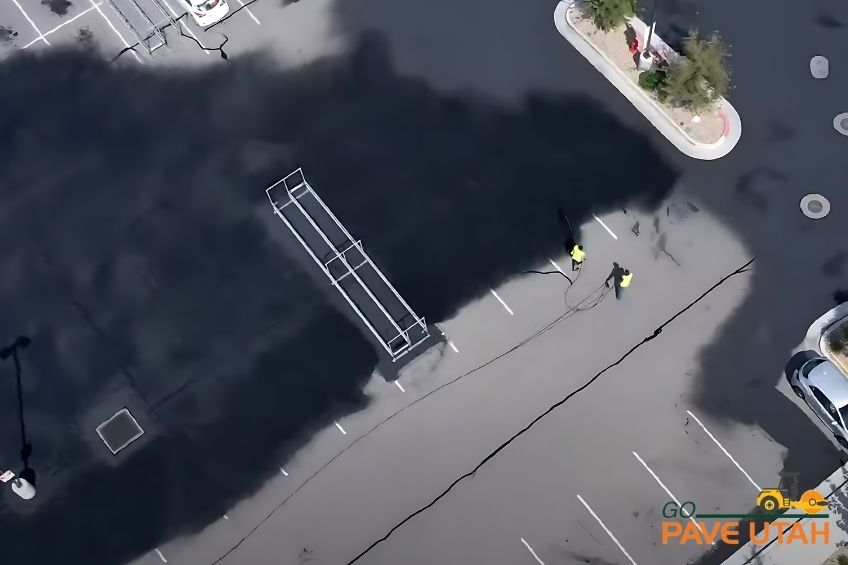
One reason sealcoating remains an important part of commercial pavement maintenance is its ability to help protect asphalt from ongoing exposure. Sealcoating acts as a protective barrier that helps reduce the impact of sunlight, moisture, and daily traffic.
Benefits of sealcoating include:
Rather than waiting for visible damage to appear, many property managers use sealcoating as part of a proactive pavement preservation strategy.
Working with Go Pave Utah helps commercial property managers identify early signs of pavement aging before larger problems develop. Their team evaluates pavement condition, maintenance history, and environmental exposure to recommend solutions that support long-term performance.
Through services such as sealcoating, crack sealing, asphalt repair, and preventative maintenance, Go Pave Utah helps commercial properties throughout Utah protect their pavement investments and maintain a professional appearance.
The best time to address pavement deterioration is often before obvious damage appears. By recognizing the warning signs of aging asphalt and taking action early, property managers can help extend pavement life and reduce the risk of costly repairs in the future.