Asphalt patching may look straightforward from the outside, but the quality of a repair depends on much more than placing new asphalt into a damaged area. For commercial properties throughout Utah, the transition between the existing pavement and the new patch deserves particular attention. When preparation, repair boundaries, bonding, or compaction fall short, the perimeter can become one of the first places where problems reappear. Understanding why that repair line matters can help property managers recognize what separates a temporary fix from a well-executed pavement repair.
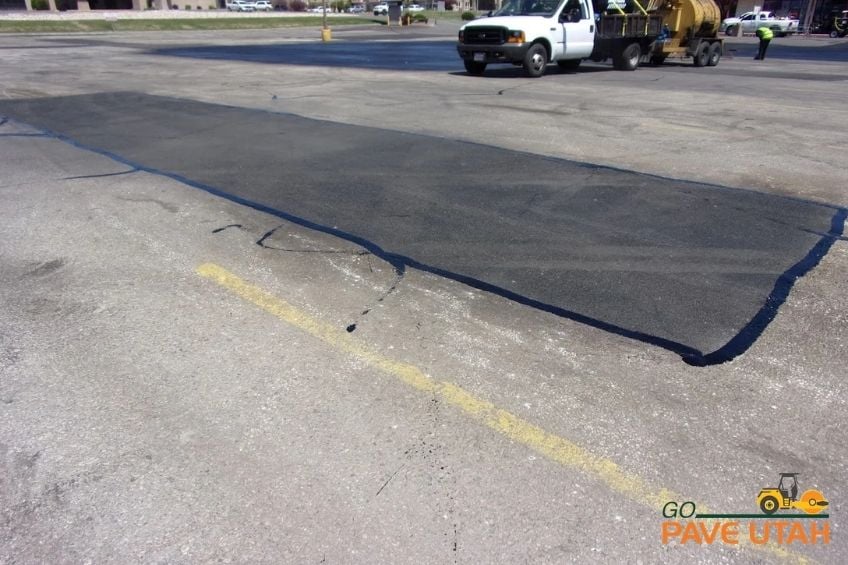
The visible damaged area is not the only consideration when an asphalt patch is installed. The condition of the surrounding pavement and how the repair area is prepared can influence how well the finished patch performs. A repair may need to extend beyond visibly deteriorated asphalt so the new material meets stable pavement, while removing loose or compromised material helps create a better foundation for the repair. For commercial properties, this is why asphalt patching involves more than simply filling a pothole or covering the most obvious damaged section.
The perimeter of a patch creates a transition between existing pavement and newly placed asphalt, and commercial traffic crosses that transition repeatedly. Delivery trucks, garbage trucks, passenger vehicles, and service equipment can introduce weight, braking, and turning forces throughout the day. If the transition is not properly constructed, separation or cracking may begin around the perimeter and allow the repair to deteriorate. This is especially important around entrances, loading areas, dumpster approaches, and heavily traveled drive lanes where vehicle movements place concentrated stress on relatively small sections of pavement.
Proper compaction helps asphalt patching material form a dense, stable repair capable of supporting repeated traffic loads. Attention cannot be limited to the center of the patch. The perimeter also needs to be properly consolidated so the new material forms a strong transition with the surrounding pavement. Inadequate compaction can contribute to settlement, movement, or deterioration after the repaired area returns to service. Two patches may look nearly identical immediately after installation, yet differences in preparation and compaction can influence how each one performs as traffic continues crossing the area.
When cracking or deterioration repeatedly returns along the edge of a repaired area, simply patching the same location again may not answer why the problem keeps developing. Surrounding pavement condition, drainage, traffic loads, or instability beneath the surface may all contribute to recurring damage. Utah commercial properties can also experience demanding conditions from summer heat, regular delivery traffic, irrigation runoff, and large seasonal temperature changes. Looking beyond the visible patch allows property managers to determine whether the repair itself needs attention or whether a larger pavement issue may be contributing to repeated failure.
Effective asphalt patching starts by evaluating the entire damaged area rather than focusing only on the most visible defect. Repair boundaries, surrounding pavement condition, preparation, and compaction all influence how the finished repair performs. Working with Go Pave Utah gives property managers and commercial property owners access to professional asphalt patching services designed around the actual condition of their pavement. When damage appears on a Utah commercial property, addressing both the problem and the pavement surrounding it can help create a more durable repair and reduce the likelihood of returning to the same trouble spot again.