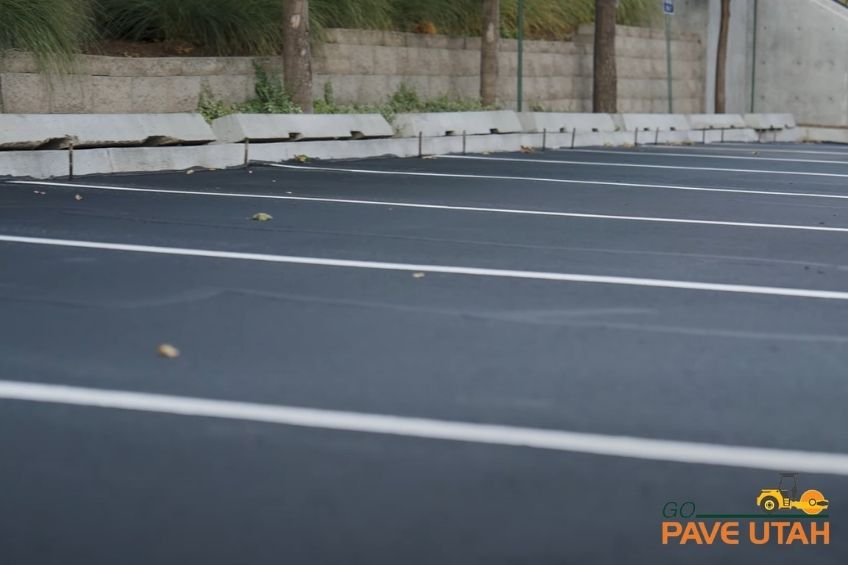
Some commercial parking lots in Utah begin showing cracks, fading, and potholes within just a few years. Others continue looking clean and well-maintained even after a decade of heavy use. The difference is rarely luck. Long-lasting pavement is usually the result of consistent planning, proper installation, and ongoing maintenance strategies that address problems before they spread.
For property managers and business owners, understanding why some parking lots age better than others can help protect long-term property value and reduce avoidable repair costs.
One of the biggest differences between pavement that lasts and pavement that deteriorates early is what happens during installation. A parking lot is only as strong as the foundation beneath it. If the base layers are not properly compacted or drainage is poorly planned, surface problems often appear much sooner.
Even when asphalt looks smooth immediately after installation, hidden structural weaknesses can begin developing underneath. Over time, traffic pressure and moisture exposure reveal those weak points through cracking, settling, and surface fatigue.
Parking lots that maintain their appearance over many years are typically built with long-term performance in mind rather than short-term appearance alone.
Water is one of the most damaging forces affecting asphalt pavement. Parking lots that drain properly are far more likely to maintain their condition over time than surfaces where water regularly pools.
Poor drainage creates:
Even small drainage issues can accelerate wear if they are ignored for multiple seasons. Properties that manage water effectively often experience fewer major pavement failures and more consistent surface performance.
Parking lots that still look new after many years are rarely maintenance-free. In most cases, they have benefited from regular upkeep that prevents minor damage from turning into larger structural issues.
Common maintenance strategies include:
This type of preventative maintenance helps preserve both appearance and structural integrity while reducing the need for larger repairs later.
Not every section of a parking lot wears at the same rate. Areas exposed to turning vehicles, delivery traffic, or concentrated weight tend to break down faster than lightly used sections.
Parking lots that age well are often designed with traffic flow and material placement in mind. Reinforcing high-stress areas and maintaining organized traffic movement helps reduce unnecessary strain on the pavement surface.
Properties that ignore traffic-related stress patterns often see faster deterioration in corners, loading zones, and entry points long before the rest of the lot begins failing.
Working with Go Pave Utah helps property managers take a more proactive approach to pavement longevity. Their team evaluates drainage behavior, traffic flow, pavement condition, and maintenance history to identify what helps parking lots remain functional and visually consistent over time.
Through services such as asphalt maintenance, crack sealing, patching, and pavement repair, Go Pave Utah helps commercial properties across Utah extend pavement life and reduce avoidable deterioration.
The parking lots that continue looking new after ten years are usually not the ones that avoided maintenance. They are the ones where maintenance, planning, and performance were treated as long-term priorities from the beginning.