As temperatures rise across Utah, commercial properties begin experiencing more stress on their pavement surfaces than many realize. Asphalt may appear solid and durable year-round, but summer heat changes how it performs. For property managers and business owners, understanding how high temperatures affect asphalt is an important part of long-term asphalt maintenance. Summer heat can accelerate surface wear, increase stress in high-traffic areas, and create conditions that lead to more costly repairs if issues are left unaddressed.
Asphalt is designed to remain flexible, which helps it handle traffic and temperature changes over time. However, during Utah’s hottest months, pavement surfaces absorb and retain significant heat. Dark asphalt can become much hotter than the surrounding air temperature, especially during long periods of direct sunlight.
As the pavement heats up, it begins to soften. This does not mean the asphalt is melting, but it does mean the surface becomes more vulnerable to pressure and movement. Heavy vehicles, delivery traffic, and constant turning movements place added stress on softened pavement, particularly during the afternoon when surface temperatures peak.
For commercial properties with consistent traffic flow, this softening process can accelerate visible wear much faster than expected.
Some parts of a parking lot experience far more stress than others. Entry points, loading zones, dumpster areas, and tight corners often begin showing signs of damage first because they combine weight, friction, and concentrated movement.
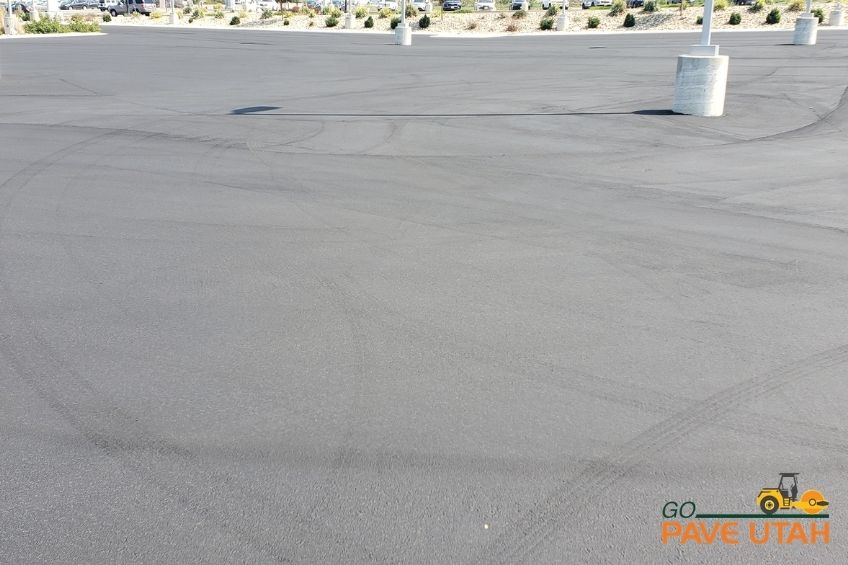
When asphalt softens under heat, vehicles turning sharply can push and shift the surface layers. This often leads to tire scuffing, rippling, or surface deformation. Over time, these stressed areas may begin to crack or develop low spots that collect water.
Property managers may also notice that existing cracks widen more quickly during summer. As the pavement expands and softens, weakened areas become more vulnerable to continued deterioration. What begins as a small surface issue in June can turn into a much larger repair concern by the end of the season.
Heat-related wear does not only affect appearance. It also impacts the long-term lifespan of the pavement itself. When asphalt repeatedly softens and cools throughout the summer, the surface experiences ongoing expansion and movement. Combined with traffic pressure, this cycle gradually weakens the pavement structure.
Without regular maintenance, softened areas can allow water intrusion once temperatures cool or storms arrive. This creates an ongoing cycle of stress that contributes to cracking, potholes, and structural fatigue over time.
For commercial properties, delaying maintenance during summer often means larger and more expensive repairs later. Addressing vulnerable areas early helps reduce long-term deterioration and supports more predictable maintenance planning.
Working with Go Pave Utah helps property managers stay ahead of seasonal pavement stress before it becomes widespread damage. Their team evaluates traffic patterns, pavement condition, and heat-related wear to identify the areas most vulnerable during Utah’s summer months.
Services such as asphalt repair, crack sealing, and preventative maintenance help stabilize surfaces and reduce accelerated deterioration caused by heat and heavy traffic. Go Pave Utah works with commercial properties throughout Utah to develop maintenance strategies that improve pavement performance and extend surface life.
Summer heat is not just a seasonal inconvenience for asphalt. It directly affects how pavement performs under daily use. Understanding how asphalt responds to rising temperatures allows property managers to make smarter decisions that protect both pavement condition and long-term property value.