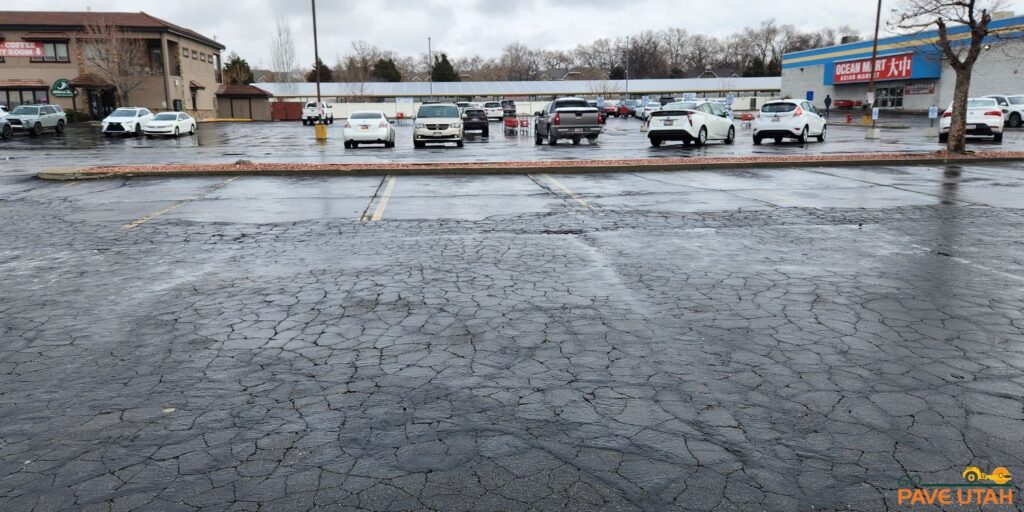
When winter settles over Utah, pavement problems rarely announce themselves. Instead, damage develops quietly beneath snow cover, ice melt, and daily vehicle traffic. For property managers responsible for commercial properties, the most expensive pavement failures often begin as small, overlooked issues during the winter months. Identifying winter weak spots early allows you to manage risk, control repair costs, and protect pavement performance before spring exposes the full extent of the damage. Working with Go Pave Utah during winter evaluations helps bring these hidden problems to light before they escalate.
The earliest signs of winter pavement damage often appear as hairline cracks or minor surface separations. While these issues may seem insignificant at first, they create pathways for moisture to enter the pavement structure. As temperatures fluctuate, trapped water freezes and thaws repeatedly, forcing the asphalt apart from below.
Early warning signs include:
If left unaddressed, these small openings widen over time and evolve into potholes or widespread cracking that eventually require professional asphalt repair. Winter monitoring and early intervention help slow this damage cycle and reduce the need for extensive repairs later.
Drainage issues often become more pronounced in winter when snowmelt and seasonal storms overwhelm blocked or undersized systems. Standing water increases slip risk for pedestrians and creates repeated freeze points that place extra stress on pavement surfaces. Areas that collect water during winter are frequently the same areas that fail first in spring.
Common drainage-related warning signs include:
Addressing drainage concerns early helps protect the pavement structure while improving safety for tenants, employees, and visitors.
Pavement edges and load-bearing zones are especially vulnerable during winter. Snow plowing activity, heavy service vehicles, and repeated freeze cycles concentrate stress along lot perimeters and drive aisles. Once edges begin to crack or crumble, damage spreads inward and can weaken the underlying base.
Signs of edge failure include:
Early stabilization of these areas prevents minor edge damage from turning into full-depth structural repairs that require more time and expense.
Cold temperatures reduce asphalt flexibility, especially in high traffic areas such as entrances, loading zones, and primary drive lanes. Repeated vehicle loads on a stiff surface accelerate surface wear, leading to raveling and material loss. These failures often worsen quietly during winter and become obvious only after snow clears.
Monitoring high-use areas throughout winter helps identify where targeted maintenance or temporary stabilization is needed to preserve pavement performance until permanent repairs can be scheduled.
While winter conditions may limit large-scale paving, they provide an ideal opportunity for evaluation and planning. Partnering with Go Pave Utah allows property managers to assess pavement conditions, identify weak spots, and apply interim repairs when appropriate. Winter evaluations also support better spring planning by reducing surprises and limiting the scope of future repairs.
By addressing winter weak spots early, you extend pavement life, improve safety, and maintain better control over maintenance budgets. Waiting until spring often means dealing with more extensive damage and higher costs. Proactive winter attention helps ensure commercial properties remain functional, professional, and prepared for the months ahead.