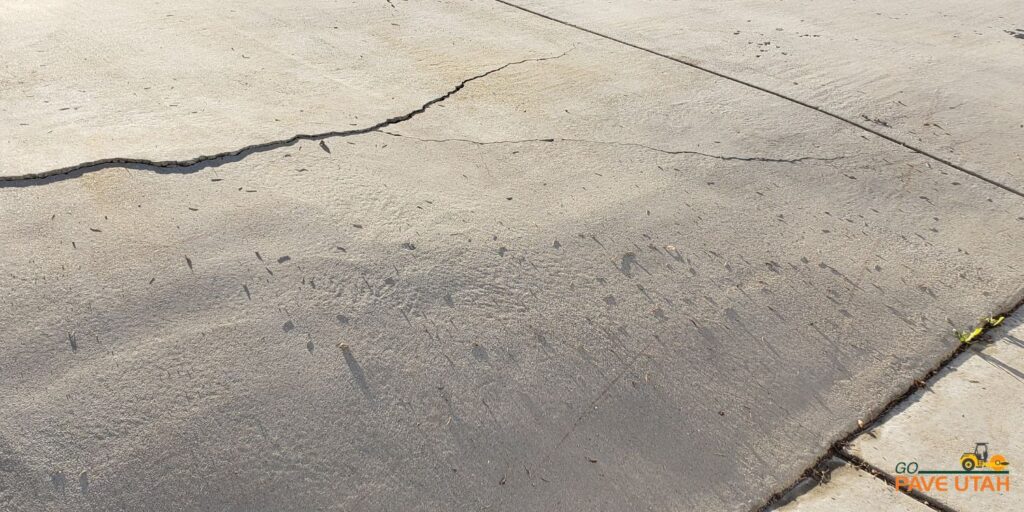
As spring settles across Utah, your property begins to show the effects of shifting temperatures and changing ground conditions. Concrete surfaces that looked stable through winter may now reveal cracking that was previously hidden. For property managers and commercial property owners, these cracks are more than cosmetic. They are early indicators of movement, stress, and potential liability. Understanding what these cracks mean and when to act allows you to stay ahead of costly repairs and maintain a safe, professional environment.
During winter, moisture works its way into concrete surfaces and underlying soils. As temperatures fluctuate, that moisture freezes, expands, and then contracts when it thaws. By the time spring arrives, the ground begins to shift and settle, placing additional stress on sidewalks, pads, and entryways. This is when cracks often become more noticeable.
You may see new lines forming across walkways or existing cracks widening. These changes are not random. They reflect how your concrete has responded to months of environmental pressure. Spring is the ideal time to evaluate these surfaces because what you see now provides a clear picture of how your property is performing.
One of the most common misconceptions is that every crack signals a major failure. In reality, some cracking is expected as concrete expands and contracts. However, the size, location, and pattern of cracks determine whether they should be monitored or addressed.
Small surface cracks may simply reflect normal movement, while wider or uneven cracks can indicate deeper structural concerns. Cracks near joints or areas with heavy foot traffic often deserve closer attention, especially if they begin to shift vertically. When surfaces no longer sit flush, they can affect drainage, accessibility, and safety.
Recognizing the difference between normal wear and developing problems allows you to make better decisions about maintenance and repair timing.
Concrete cracking becomes a business issue when it affects safety, accessibility, or appearance. Uneven surfaces can create trip hazards for tenants, employees, and visitors. Even minor elevation changes can increase liability risk, particularly in high-traffic areas such as entrances and walkways.
Cracks can also allow water to penetrate deeper into the concrete. Over time, this weakens the structure and accelerates deterioration. What begins as a small surface issue can develop into a larger repair project if left unaddressed.
For commercial properties, appearance also matters. Visible cracking can signal neglect and impact how tenants and customers perceive the property. Addressing these issues early helps maintain a professional image while protecting long-term asset value.
Knowing when to act is just as important as identifying the problem. Working with Go Pave Utah gives you a clear understanding of your concrete’s condition and the best course of action. Their team evaluates cracking patterns, surface movement, and underlying conditions to determine whether maintenance, repair, or monitoring is the right approach.
By addressing issues early, you can stabilize surfaces, reduce liability exposure, and avoid more extensive work later. Go Pave Utah helps property managers across Utah turn spring inspections into actionable plans that protect both safety and budgets.
Concrete cracks may seem minor at first glance, but they tell a larger story about how your property is performing. Taking the time to understand and respond to those signals ensures your commercial property stays safe, functional, and ready for the demands of the season.