February rarely feels like a decision-making month. Snow is still on the ground, temperatures fluctuate, and spring seems just far enough away to postpone action. For property managers and commercial property owners in Utah, that hesitation can quietly dictate how much asphalt repair will cost later in the year. At Go Pave Utah, teams see this pattern every winter. Properties that use February to assess conditions and plan ahead enter spring with controlled budgets and fewer surprises, while those that wait often face rushed decisions and higher costs once demand spikes.
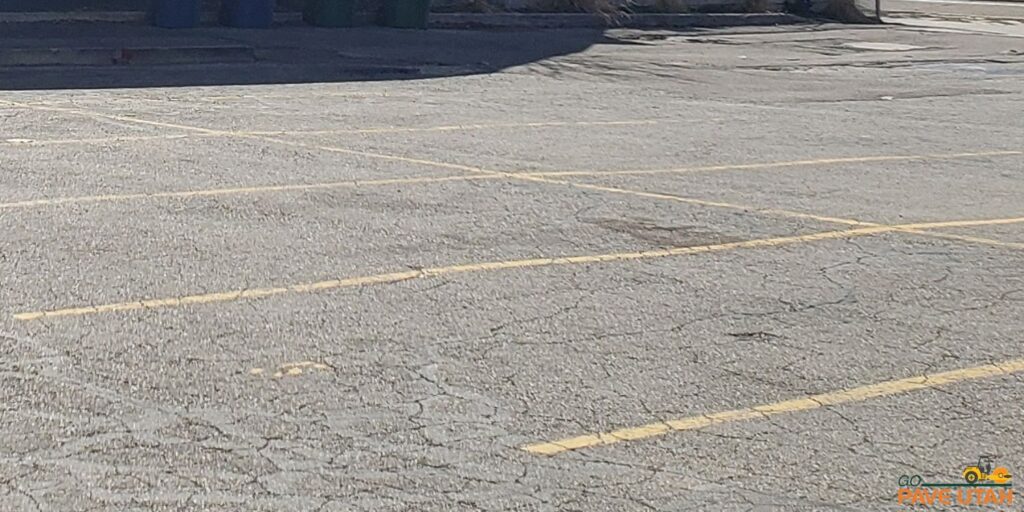
By February, winter has already tested your pavement repeatedly. Freeze and thaw cycles, lingering snowpack, and continuous vehicle traffic have stressed asphalt surfaces across Utah. After weeks of inversion conditions and repeated winter storms, pavement weaknesses become easier to identify. You can see where cracks are spreading, where earlier patching struggled to hold, and where water pools during daytime melting before refreezing overnight. These late-winter signs provide valuable insight into how your pavement performs under real-world stress. Acting in February allows you to assess what level of asphalt repair will be needed before minor issues grow into widespread deterioration.
Spring brings urgency whether you are ready or not. As soon as temperatures rise, paving schedules across Utah begin to fill rapidly. Contractors shift into high demand, timelines tighten, and flexibility decreases. When decisions are delayed, small pavement issues are often left to worsen, forcing properties into emergency work instead of planned improvements. Problems that could have been handled early as preventative care frequently turn into larger asphalt repair projects once cracking spreads or base layers are compromised. February offers a short but valuable window to stay ahead of that cycle and protect your maintenance budget.
Using February to evaluate pavement conditions helps you distinguish between immediate safety concerns and longer-term upgrades. This clarity supports smarter budgeting, clearer scopes of work, and better internal planning. It also reduces liability exposure by identifying hazards before spring traffic increases. When pavement needs are defined early, you avoid rushed decisions and last-minute approvals that can increase costs and limit options. Planning now keeps pavement management proactive instead of reactive, which is especially important for commercial properties balancing tenant needs and operational continuity.
Partnering with Go Pave Utah in February turns winter observation into a structured plan. Their team conducts on-site walk-throughs and pavement evaluations that focus on stress points, drainage behavior, and areas showing early signs of failure. This hands-on assessment helps translate winter wear into actionable recommendations well before the busy season begins. By working with Go Pave Utah early, you gain realistic timelines, coordinated planning, and greater control over project sequencing. Instead of competing for availability in spring, your property enters the season prepared and positioned for efficient execution.
February may feel quiet, but it carries long-term impact. The decisions made now influence how smoothly your property transitions into spring and how manageable pavement costs remain throughout the year. Acting early and working with Go Pave Utah turns a slow winter month into a strategic advantage that protects your pavement and your bottom line.