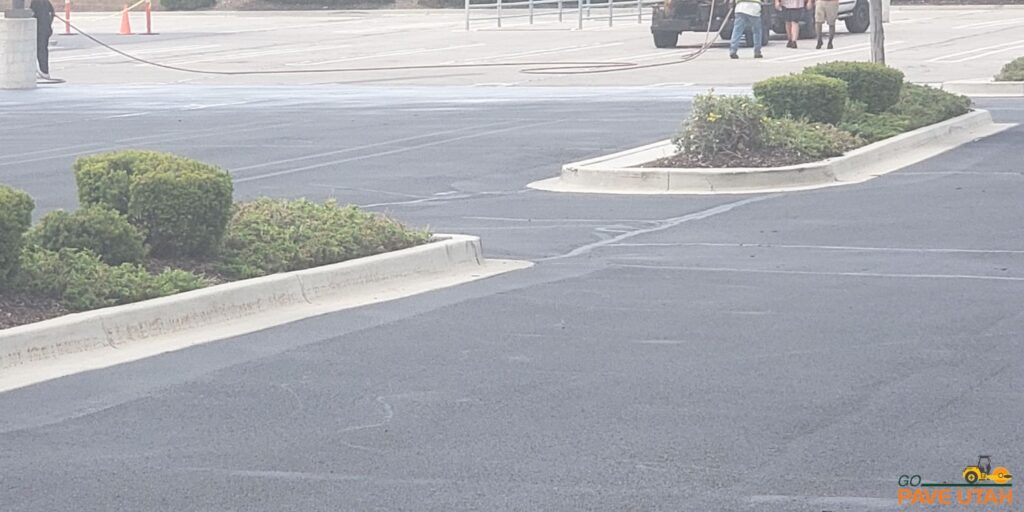
As winter loosens its grip across Utah, your property begins to reveal what the past few months have done beneath the surface. Spring is not just a change in temperature. It is inspection season. For property management professionals overseeing business and commercial properties, this is the moment that sets the tone for the entire year. What you identify and address now will directly impact safety, budgeting, tenant satisfaction, and long-term pavement performance.
The first place you should look is the surface itself. Cracks that appeared minor in the fall may now be wider and more interconnected. Small potholes may have formed where moisture repeatedly froze and thawed. Faded striping or worn markings may signal areas of heavier traffic and stress. Surface damage is often the earliest indicator that asphalt maintenance has been deferred. When you address these signs early, you reduce the likelihood that minor issues evolve into disruptive asphalt repair projects later in the season.
Spring inspections allow you to see your pavement clearly without snow cover or standing ice masking problem areas. By evaluating cracks, patch areas, and surface wear now, you gain control over maintenance planning instead of reacting mid-summer when deterioration accelerates.
Next, you should observe how water moves across your parking lots and drive lanes. Spring runoff often exposes low spots and areas where water collects longer than it should. Standing water does more than create inconvenience. It weakens asphalt and concrete surfaces, increases slip risk, and accelerates structural decline. Identifying drainage concerns early allows you to correct grading issues or stabilize weak sections before heavy traffic increases.
Water management is one of the most overlooked aspects of pavement performance. When drainage is working properly, surfaces last longer and require fewer repairs. When it is ignored, the cost of rehabilitation climbs quickly.
Smart property managers do not stop at asphalt. Spring is also the right time to evaluate sidewalks, curbs, and entryways. Look for uneven settling, surface scaling, and joint separation. Even slight elevation changes can create trip hazards and accessibility concerns for tenants and visitors. Concrete maintenance protects more than appearance. It supports safety, compliance, and liability management.
By inspecting concrete surfaces alongside asphalt areas, you ensure your entire exterior environment is functioning as intended. This holistic approach strengthens your property’s professional image while protecting long-term asset value.
An inspection only delivers value when it leads to action. Working with Go Pave Utah transforms your spring review into a strategic plan. Their team conducts detailed site walk-throughs, identifies developing issues, and helps you prioritize maintenance based on risk, budget, and operational needs. Instead of reacting to emergencies, you build a proactive schedule that keeps disruptions minimal and costs predictable.
Spring inspection season is an opportunity. When you take the time to evaluate your pavement thoroughly and partner with experienced professionals, you position your property for a smoother, safer, and more efficient year. Working with Go Pave Utah ensures that what you discover this spring becomes the foundation for smarter maintenance decisions moving forward.