
Tenant/Resident Notification: Issuing 48–72 hour notices to clear the lot of all vehicles.
Irrigation Lockdown: Ensuring all sprinklers are deactivated 24 hours prior to prevent water from compromising the sealer's bond.
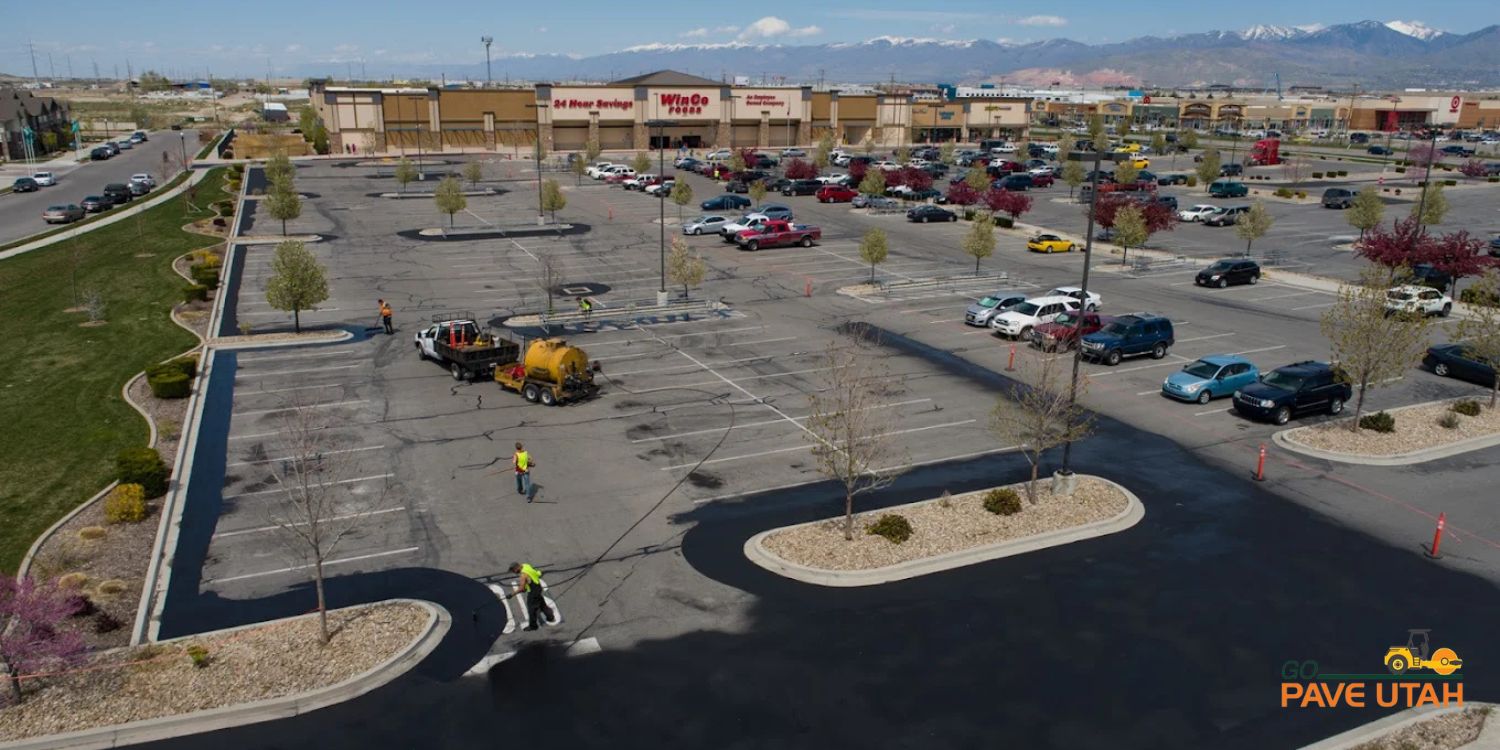
Phased Barricading: Deploying cones and "Wet Sealer" tape to reroute traffic without completely shutting down the property.
Mechanical Cleaning: Using high-powered blowers and wire brooms to remove all silt and sand; sealer will not stick to a dusty surface.
Vegetation Removal: Using a "heat lance" or gas-powered edger to kill and remove weeds from cracks and curb lines.
Hot-Rubberized Crack Sealing: Filling cracks (1/4" or wider) with hot-pour rubber to stop water from reaching the sub-base.
Oil Spot Priming: Scrubbing and priming oil/gas stains; skipping this causes the sealer to "fish-eye" and peel off within weeks.
Manual Edging (Cutting In): Hand-brushing or using "spray boards" around concrete curbs, sidewalks, and building foundations to prevent black stains.
Two-Coat Application: Applying a minimum of two coats—ideally a squeegee coat first to fill pores, followed by a spray coat for a uniform finish.
Material Additives: Verifying the mix includes silica sand (for traction) and latex hardening agents (for faster cure times and durability).
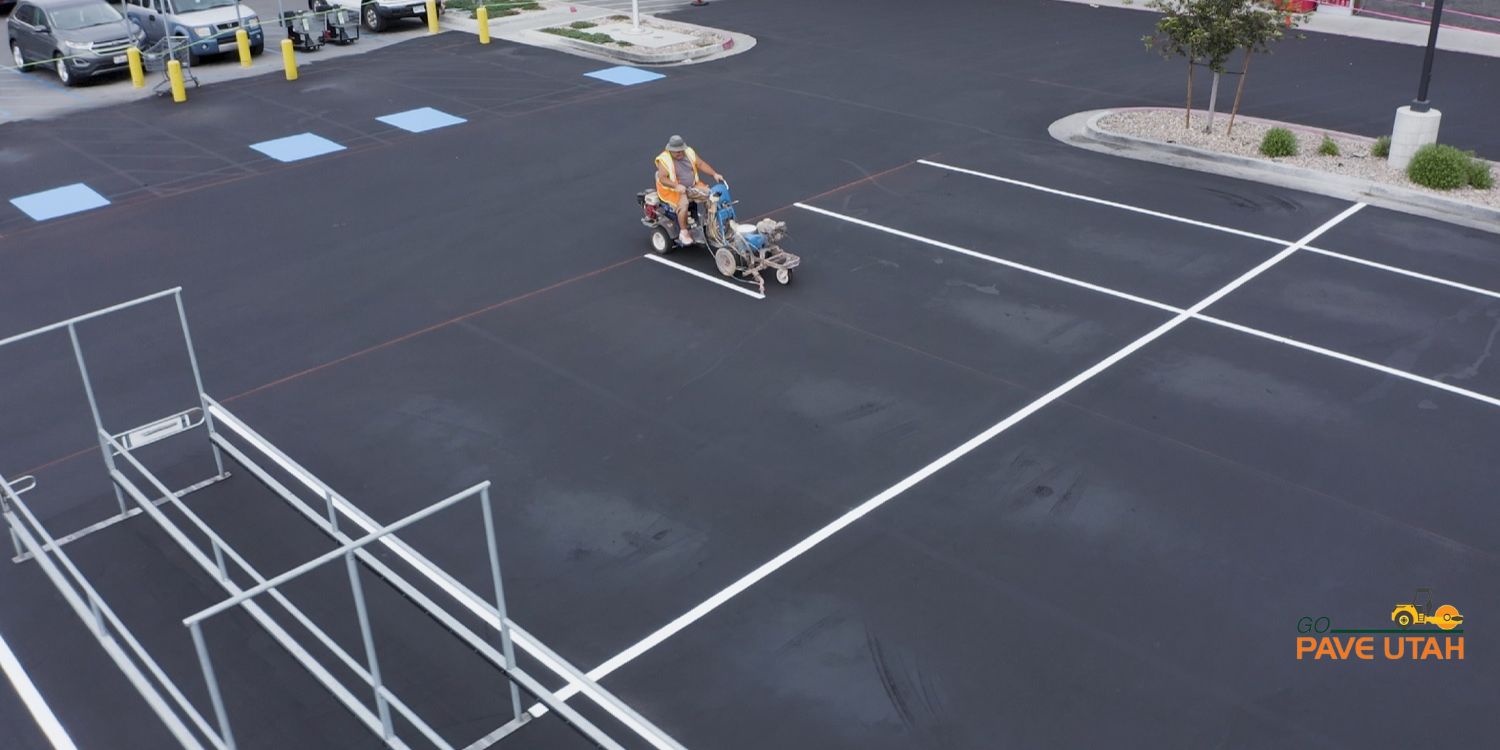
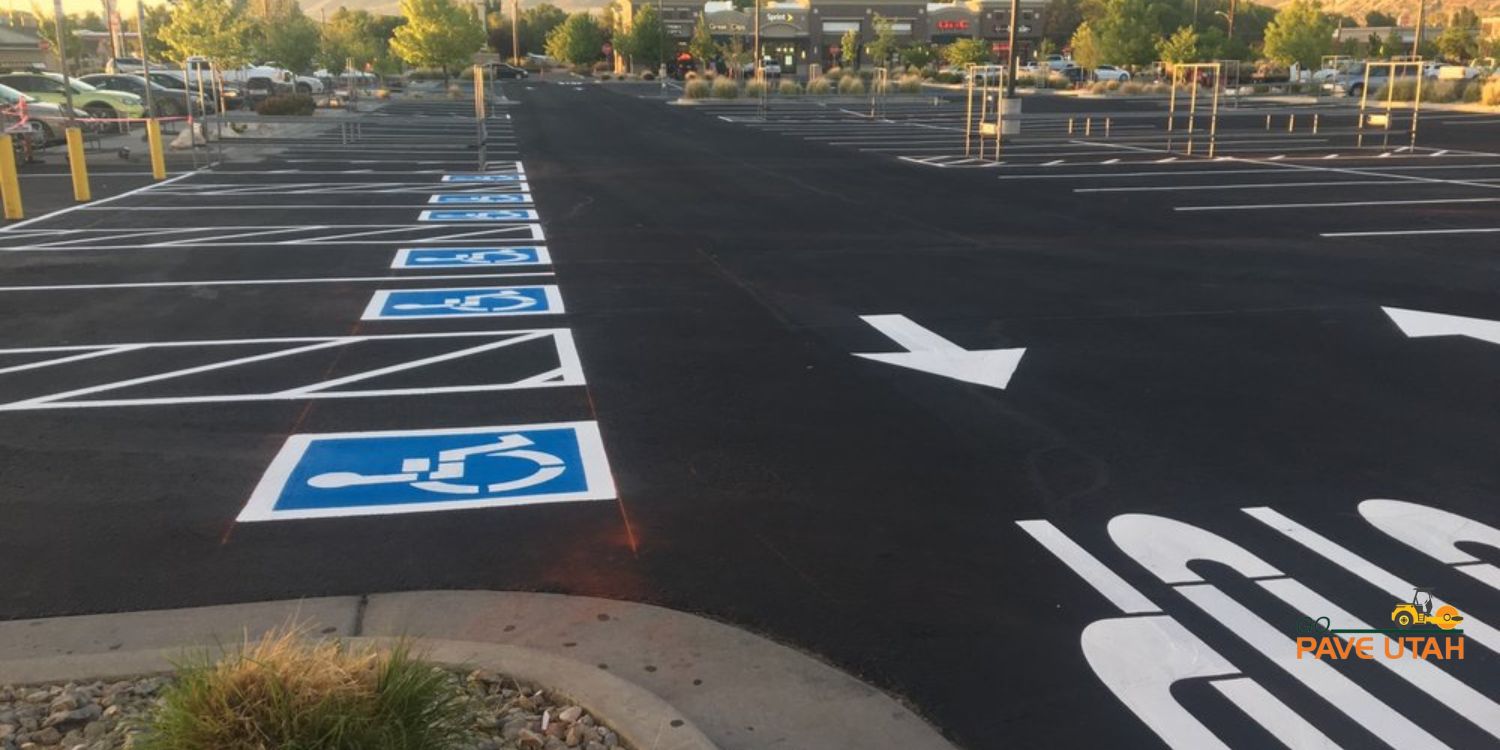
Line Striping: Restriping stalls and ADA-compliant markings only after the sealer has fully cured (typically 24 hours later).
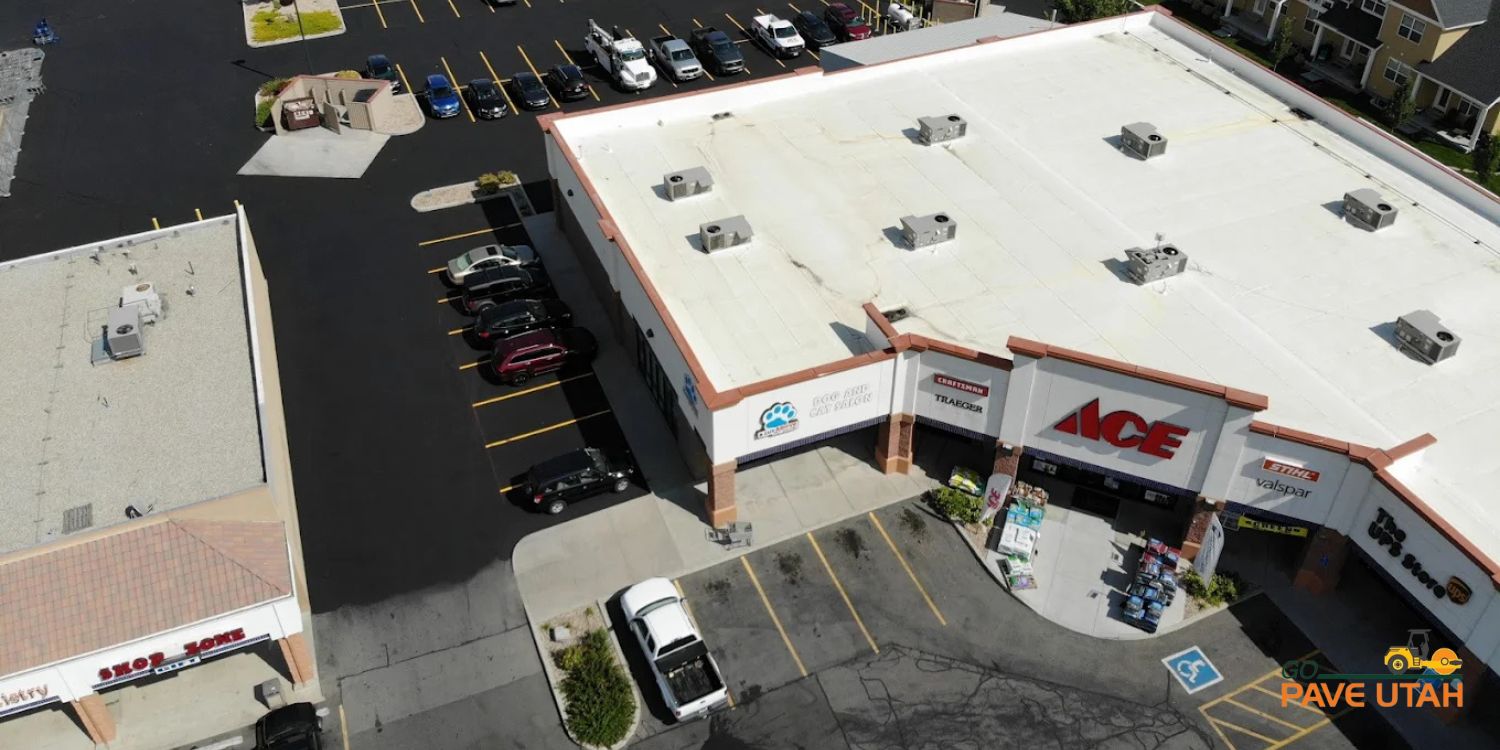
Shopping Malls & Strip Centers: High-volume traffic and heavy turning movements wear down asphalt quickly. Fresh sealcoating keeps parking lines bright, ensuring customer safety and ADA compliance.
Restaurants & Fast Food Chains: Constant exposure to food grease and oil leaks from idling cars in drive-thrus makes chemical-resistant sealing essential.
Gas Stations: These are "high-hazard" zones for asphalt due to frequent fuel spills, which can dissolve unsealed asphalt in a matter of weeks.
HOAs & PUDs: Private roads and residential driveways are a major portion of an HOA's reserve fund. Regular sealing can double the lifespan of these roads, delaying massive repaving assessments.
Apartment & Condo Complexes: High-density parking areas benefit from the "curb appeal" boost, which directly impacts tenant retention and property value.
Office Parks: Professional aesthetics are a priority for corporate tenants. A jet-black, well-maintained lot signals a well-managed building.
Hospitals & Medical Centers: Smooth, pothole-free surfaces are critical for ambulances and patients with mobility issues.
Schools & Universities: Sealing is typically done during summer breaks to protect large campuses from harsh winter freeze-thaw cycles without disrupting classes.
Warehouses & Logistics Centers: While heavy trucks are hard on asphalt, sealcoating helps prevent water from seeping into the sub-base, which is the #1 cause of structural failure under heavy loads.
Self-Storage Facilities: Wide expanses of asphalt stay flexible and crack-resistant longer with UV protection, especially in high-elevation or high-heat climates.
Airports & Hangers: Specialized sealers protect taxiways from jet fuel spills and prevent loose gravel (FOD) that can damage aircraft engines.